



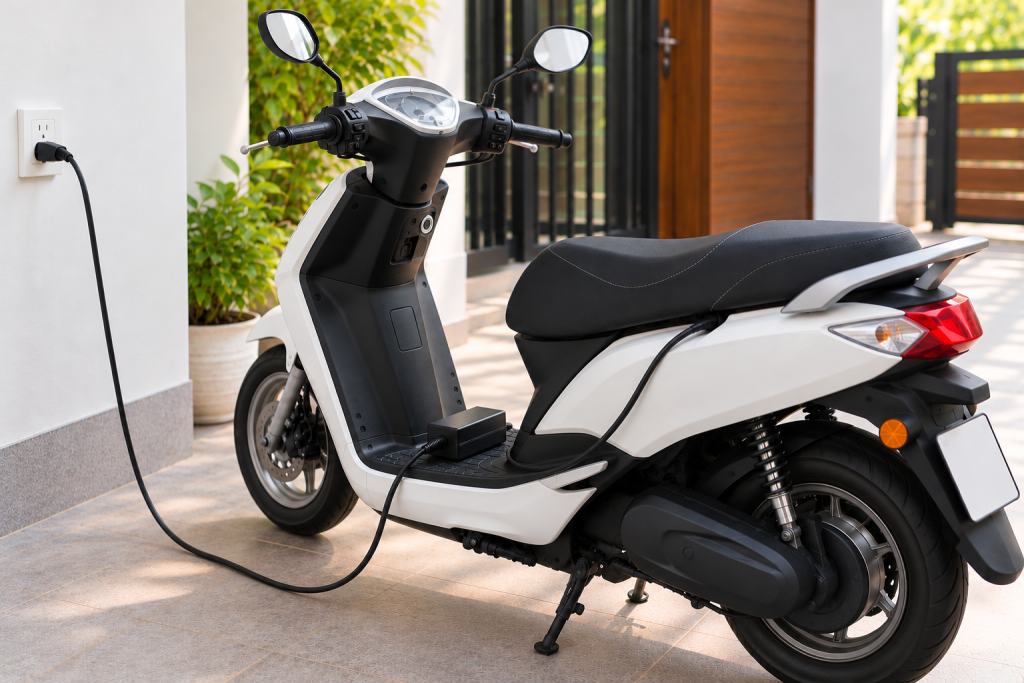
Lead-acid batteries are widely used in electric bicycles, electric scooters, and various industrial applications. Thanks to their reasonable cost, stable power output, and broad range of applications, they remain a popular choice for electric mobility solutions.
However, improper use can reduce battery capacity, accelerate deterioration, and create potential safety risks.
What should you keep in mind when using lead-acid batteries? In this article, XUPAI shares eight essential tips to help maintain battery performance, extend service life, and ensure safe operation.
1. Use a Compatible Battery Charger
The charger directly affects battery performance and service life. Always select a charger that matches the battery voltage, capacity, and technology, following the manufacturer’s recommendations.
Important precautions include:
Use a charger recommended by the battery manufacturer.
Check the output voltage and charging current before use.
Do not use chargers with damaged cables or other signs of malfunction.
Never modify charging parameters without proper technical guidance.
Incorrect charging may result in undercharging or overcharging, both of which can shorten battery service life.
2. Avoid Leaving the Battery Discharged for Extended Periods
Deep discharge or leaving a battery in a discharged state for too long can reduce its ability to store energy, particularly in sealed lead-acid batteries.
To minimize these risks, recharge the battery when its charge level drops significantly, following the manufacturer’s instructions. Avoid continuing to operate a vehicle when the battery is critically low, and do not leave a discharged battery without recharging it for several days.
3. Charge the Battery in a Well-Ventilated Area
During charging, batteries may generate heat, and some types of lead-acid batteries may release gas. Therefore, charging should take place in a dry, well-ventilated area, away from heat sources and flammable materials.
Do not cover the charger or charge the battery in areas prone to flooding or water accumulation. Keep the charging area away from open flames and potential sources of sparks.
If the battery becomes unusually hot, swells, leaks, or produces an unusual odor, stop using it immediately. Do not resume charging until the cause has been identified.
4. Avoid Exposure to High Temperatures
Ambient temperature has a significant impact on lead-acid battery performance and service life. Prolonged exposure to high temperatures can accelerate battery aging, while low temperatures may reduce its ability to deliver power.
To protect the battery:
Avoid parking vehicles in direct sunlight for extended periods.
Keep batteries away from heat sources.
Store batteries in a cool, dry, and well-ventilated environment, following the manufacturer’s recommendations.
Maintaining suitable operating and storage conditions helps preserve battery performance and reduce premature deterioration.
5. Inspect the Battery Regularly
Regular inspections help identify potential problems early and reduce the risk of operational failures.
Key inspection points include:
Battery casing: Check for cracks, swelling, or unusual deformation.
Battery terminals: Ensure they are secure and free from severe corrosion or damage.
Wiring and connectors: Check for broken wires, exposed conductors, or burn marks.
Installation area: Keep it clean and dry, and check for signs of electrolyte leakage.
For sealed lead-acid batteries, do not open the casing or add water. Flooded lead-acid batteries should be maintained according to the manufacturer’s technical instructions.
6. Avoid Physical Impact and Incorrect Connections
Batteries should be securely installed to minimize vibration and physical impact during operation. Do not dismantle batteries, modify battery configurations, or perform electrical connections without the necessary technical knowledge.
For electric vehicles that use multiple batteries connected in series, ensure that the polarity, voltage, and configuration comply with the vehicle’s design specifications.
When replacing batteries, use compatible units with matching specifications and suitable operating conditions. Mixing new batteries with significantly degraded ones may negatively affect the performance of the entire battery pack.
7. Store Batteries Properly When Not in Use
Lead-acid batteries can self-discharge even when they are not being used. Leaving a battery discharged for an extended period may cause performance deterioration or permanent damage.
When storing batteries or leaving a vehicle unused for a long time, follow these recommendations:
Charge the battery before storage according to the manufacturer’s instructions.
Check the battery voltage and state of charge periodically.
Recharge when necessary, following the manufacturer’s recommendations.
Store batteries in a dry, well-ventilated area away from excessive heat.
The appropriate inspection and recharging frequency depends on the battery type and storage conditions.
8. Respond Promptly to Signs of Battery Damage
The following symptoms may indicate that a battery requires inspection:
The vehicle consumes battery power unusually quickly.
The driving range decreases significantly.
The battery becomes excessively hot.
The battery casing swells or electrolyte leaks.
If any of these symptoms occur, stop using the battery and do not attempt to recharge it before identifying the cause.
If electrolyte leakage occurs, avoid direct contact with the liquid and seek assistance from qualified technicians. Lead-acid battery electrolyte is corrosive and can cause injury.
Batteries that have reached the end of their service life should be collected and sent to appropriate battery recycling or disposal facilities. Never dispose of used batteries with ordinary household waste.
Conclusion
Proper use of lead-acid batteries helps maintain performance, prevent premature deterioration, and improve operational safety. Using a compatible charger, avoiding prolonged deep discharge, charging in a well-ventilated area, conducting regular inspections, and storing batteries correctly are essential practices for extending battery service life.
XUPAI is committed to providing battery solutions for electric mobility and other suitable applications. For businesses, dealers, and distributors, choosing a battery supplier that provides clear technical specifications, reliable products, and appropriate usage guidance is an important step toward maintaining a stable and efficient supply chain.
Contact XUPAI to learn more about our lead-acid battery solutions for electric vehicles and potential B2B cooperation opportunities.