



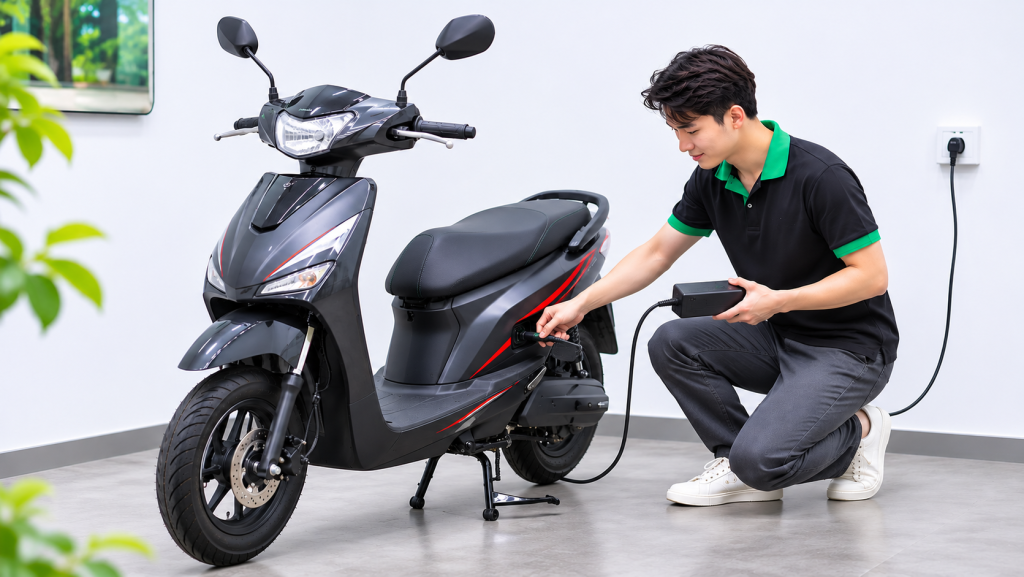
Batteries are one of the most important components of an electric vehicle, directly affecting its performance and driving range. However, not every user knows how to properly use and maintain them. Some seemingly harmless electric vehicle battery usage mistakes can accelerate battery deterioration, reduce energy storage capacity, and affect overall vehicle performance.
Here are seven common mistakes users should avoid to help extend battery life and maintain reliable performance.
1. Waiting Until the Battery Is Completely Discharged Before Charging
Many users tend to wait until the battery is nearly empty or the vehicle can no longer move before recharging. Frequently allowing a battery to become deeply discharged may affect its energy storage capacity, especially in lead-acid batteries.
Solution: Recharge the battery when its charge level reaches the low range recommended by the manufacturer. Avoid leaving the battery in a deeply discharged state for extended periods.
2. Charging the Battery at the Wrong Time or for Too Long
Charging for excessive periods, unnecessary continuous charging, or using an unsuitable charger can affect battery durability. In particular, an incompatible charger may result in incomplete charging or overcharging.
Solution: Use a charger compatible with the battery voltage and type. Always follow the charging time and instructions recommended by the manufacturer.
3. Using the Electric Vehicle While Charging
Some users have a habit of keeping the vehicle powered on, using electrical accessories, or attempting to start the vehicle while it is charging. This may interfere with the charging process and create potential electrical safety risks.
Solution: Turn off the vehicle and unnecessary electrical devices during charging. Never operate the vehicle while it is connected to the charger.
4. Using an Incompatible Battery Charger
Each battery system has specific requirements for charging voltage, current, and charging characteristics. Using a charger with incorrect specifications may reduce charging efficiency, cause abnormal heating, or shorten battery life.
Solution: Always use a charger recommended by the manufacturer and ensure that its technical specifications match the battery system.
5. Frequently Overloading the Vehicle or Accelerating Suddenly
When an electric vehicle is frequently overloaded or accelerated aggressively, the battery must deliver higher current to meet the vehicle’s power demands. This increases energy consumption and places additional stress on the battery.
Solution: Do not exceed the vehicle’s recommended load capacity. Accelerate gradually and maintain a suitable speed according to road conditions.
6. Exposing the Vehicle and Battery to Excessive Heat
Environmental temperature directly affects battery performance and lifespan. Frequently parking an electric vehicle under intense sunlight or near heat sources can increase battery temperature and accelerate the aging process.
Solution: Park the vehicle in a cool, dry, and well-ventilated area whenever possible. Avoid prolonged exposure to direct sunlight and high-temperature environments.
7. Neglecting Regular Battery Inspection and Maintenance
Many users only pay attention to their batteries when the vehicle experiences reduced power, shorter driving range, or difficulty starting.
However, problems such as loose connections, corroded terminals, or signs of leakage may affect the electrical