



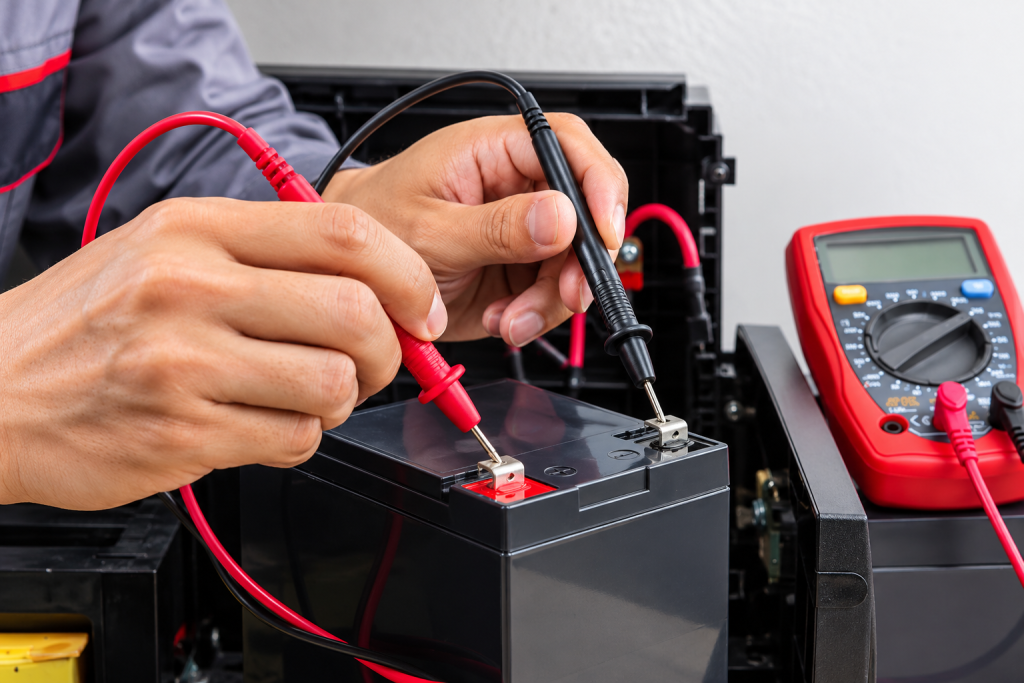
A weak electric vehicle battery is one of the common reasons why a vehicle experiences reduced driving range, poor acceleration, and more frequent charging. Over time, the battery’s ability to store and deliver energy may gradually decline, directly affecting vehicle performance.
So, how can you identify a weak battery, and when should it be replaced? In this article, XUPAI will introduce the key warning signs to help users inspect and maintain their batteries properly.
1. Common Signs of a Weak Electric Vehicle Battery
As a battery begins to deteriorate, the vehicle may show several unusual symptoms. Here are some common signs to look out for:
Significantly Reduced Driving Range
This is one of the easiest signs to recognize. If your vehicle previously traveled a long distance on a full charge but now runs out of power much faster under similar riding conditions, the battery’s actual capacity may have decreased.
Poor Acceleration and Unstable Performance
A weak battery may fail to deliver sufficient current when the motor requires higher power. As a result, the vehicle may accelerate slowly, struggle when climbing hills, or feel less powerful than before.
Unusual Changes in Charging Time
If the battery reaches a full charge much faster than before but provides a shorter driving range, this may indicate reduced storage capacity. On the other hand, unusually long charging times should also be investigated.
Rapid Battery Discharge During Use
If the battery indicator or voltage level drops quickly after a short distance, or the vehicle suddenly loses power while riding, the problem may be related to battery deterioration.
Battery Swelling, Leakage, or Deformation
These are important warning signs that should not be ignored. If the battery casing becomes swollen, cracked, or leaks electrolyte, or if an unusual smell is detected, stop using the battery and have it inspected by a qualified technician.
2. Common Causes of Electric Vehicle Battery Deterioration
Several factors can contribute to reduced battery performance and service life:
Improper Charging: Using an incompatible charger or failing to follow the manufacturer’s charging recommendations.
Riding Habits: Frequent sudden acceleration, overloading, or continuous operation under heavy loads.
Temperature Effects: Excessively high ambient temperatures can accelerate battery aging.
Long Periods of Inactivity: Leaving a battery in a deeply discharged state for an extended period may damage its performance.
Battery Aging: After many charge and discharge cycles, internal battery components gradually deteriorate, reducing energy storage capacity.
3. When Should You Replace an Electric Vehicle Battery?
A shorter driving range does not always mean that the battery needs immediate replacement. First, users should check the charger, electrical connections, motor, and tire pressure to rule out other possible causes.
However, battery replacement should be considered when:
The driving range has decreased significantly and does not improve after checking the charging system.
The battery can no longer maintain sufficient capacity for daily use.
One or more batteries in the battery pack are damaged or show abnormal voltage readings.
The battery casing is swollen, cracked, or leaking electrolyte.
For battery packs consisting of multiple batteries connected in series, each battery should be inspected individually. Checking only the total pack voltage is not sufficient to determine the condition of every battery.
Replacement should follow professional technical recommendations to ensure that all batteries have compatible voltage, capacity, and operating conditions.
4. How to Extend Electric Vehicle Battery Life
To reduce premature battery deterioration, users should develop the following good habits:
Use a charger that matches the battery’s technical specifications.
Follow the manufacturer’s charging recommendations.
Avoid sudden acceleration and overloading.
Keep the vehicle and battery away from excessively high temperatures.
Regularly inspect the battery casing, terminals, and electrical connections.
Avoid leaving the battery in a deeply discharged state for extended periods.
5. XUPAI – Battery Solutions for Electric Vehicles
Recognizing the early signs of a weak electric vehicle battery helps users arrange timely inspections, maintenance, and replacement, reducing potential problems during daily operation.
With a focus on battery manufacturing and energy solutions for electric vehicles, XUPAI emphasizes product quality, manufacturing technology, and quality control processes. XUPAI battery product lines are developed to meet the diverse requirements of electric bicycles and electric motorcycles.
Choosing the right battery, following proper usage practices, and conducting regular inspections are essential factors in maintaining stable vehicle performance and improving long-term battery efficiency.